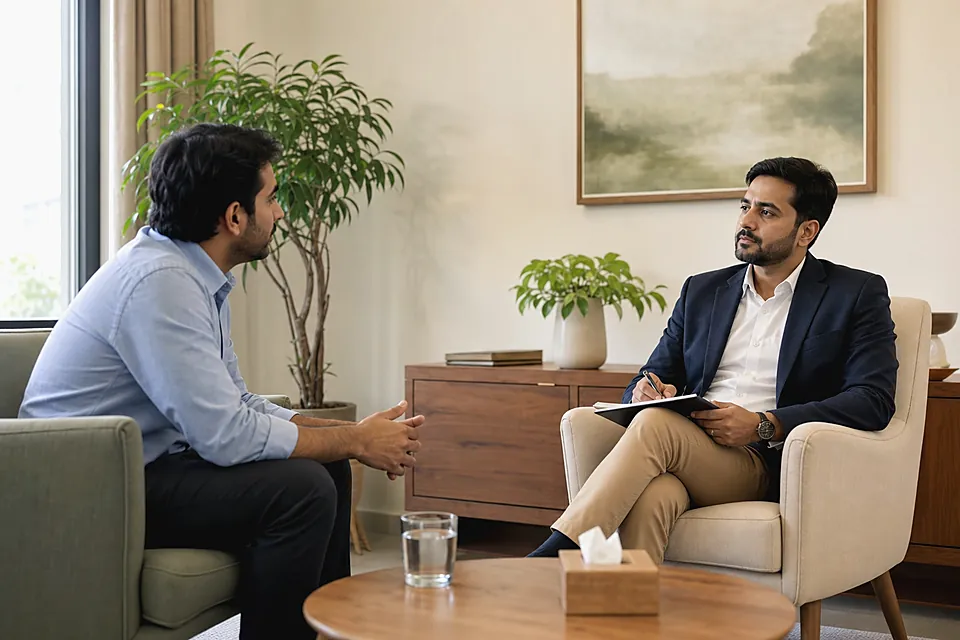
Completing a primary treatment program is a major achievement, but it is rarely the final step in recovery. The transition back into daily life — with its old routines, relationships and stressors — carries its own risks, which is why aftercare is considered an essential part of long-term recovery rather than an optional extra.
Treatment does not end at discharge
Primary treatment, whether residential or outpatient, focuses on stabilisation and building initial recovery skills. But real-world triggers, stress and old habits are usually not fully tested until the person returns home. Aftercare exists to bridge this gap, offering continued support during a period that is often just as important as treatment itself.
Why the post-treatment period carries risk
- Familiar environments and relationships can reintroduce old triggers.
- Daily stress returns without the structured support of a treatment setting.
- Overconfidence after completing treatment can lead to skipped follow-up care.
- Isolation can increase without regular check-ins or support meetings.
What aftercare support can include
Aftercare looks different depending on the person and the treatment centre, but commonly includes regular counselling check-ins, participation in support groups, relapse prevention planning, and continued family involvement. Some programs also offer structured follow-up calls or sessions at set intervals after discharge.
The weeks and months after treatment are often where recovery is truly tested and reinforced.
| Element | Purpose |
|---|---|
| Ongoing counselling | Reinforces coping strategies in real-world situations |
| Support groups | Provides community and shared accountability |
| Relapse prevention planning | Identifies personal triggers and response strategies |
| Family check-ins | Keeps communication and support consistent at home |
Keeping family involved after treatment
Families sometimes assume their role ends once treatment is complete. In practice, continued involvement — attending family sessions where offered, maintaining open communication, and supporting the person's aftercare plan — significantly shapes how stable the transition home turns out to be.
Treating aftercare as part of the plan, not an afterthought
Asking about aftercare options before admission, rather than after discharge, helps families and patients enter treatment with a fuller picture of what recovery involves. A treatment centre that plans for aftercare from the beginning is generally signalling a more complete approach to long-term recovery.
Setting realistic expectations for the first few months
The first few months after discharge are often the period where the gap between treatment and everyday life is felt most sharply. Old routines, relationships and pressures return all at once, while the structured support of a treatment setting is no longer available in the same way. This is normal, not a sign that treatment did not work.
Framing aftercare as an active continuation of treatment, rather than a formality to complete once and forget, tends to help both the person in recovery and their family move through this period with fewer surprises.
Families who stay engaged with aftercare, even in small ways such as attending occasional check-ins or simply asking how support sessions are going, often find that the person feels less alone in maintaining the changes made during treatment.
Aftercare plans are also not meant to be fixed forever. As circumstances change, it is reasonable to revisit the plan with the treatment team and adjust the level or type of support needed over time.
No. Aftercare is broadly recommended after rehabilitation, since the transition home carries its own challenges regardless of how treatment began.
This varies by person and program. Some families continue aftercare check-ins for several months after discharge.
Skipping aftercare does not mean relapse is certain, but it removes a layer of support during a period that is often higher risk, so it is generally not recommended.