24/7 confidential admission support
Careful withdrawal and recovery

Opioid Addiction Treatment

Opioid addiction can create powerful cravings, withdrawal discomfort and repeated relapse risk. Professional support helps recovery become safer and more structured.

Overview

Understanding opioid addiction treatment

Opioid dependence may begin through pain medication misuse, experimentation or stress coping. Opioid withdrawal can carry real health risk, so stopping suddenly without medical supervision is not advised. It can affect health, mood, finances, family trust and daily functioning.

Opioid dependence is rarely only about the substance itself. Recovery looks at health, cravings, behaviour, family relationships and the support system needed after discharge.


Common warning signs

Strong cravingsWorth discussing with a counsellor when cravings return despite efforts to stop.

Withdrawal discomfortWorth discussing with a counsellor when withdrawal symptoms appear between doses.

Drowsiness or mood shiftsWorth discussing with a counsellor when drowsiness or mood swings affect daily safety.

Repeated relapseWorth discussing with a counsellor when previous attempts to stop have not lasted.

Treatment process

A clear plan helps recovery feel possible

The exact plan is personalised, but most families facing opioid addiction move through these stages.

01

Confidential assessment

Private guidance

02

Withdrawal risk planning

Understand risk

03

Stabilisation

Build stability

04

Counselling

Therapeutic work

05

Family support

Family participation

06

Aftercare

Continue progress

Why professional treatment

Recovery needs more than willpower

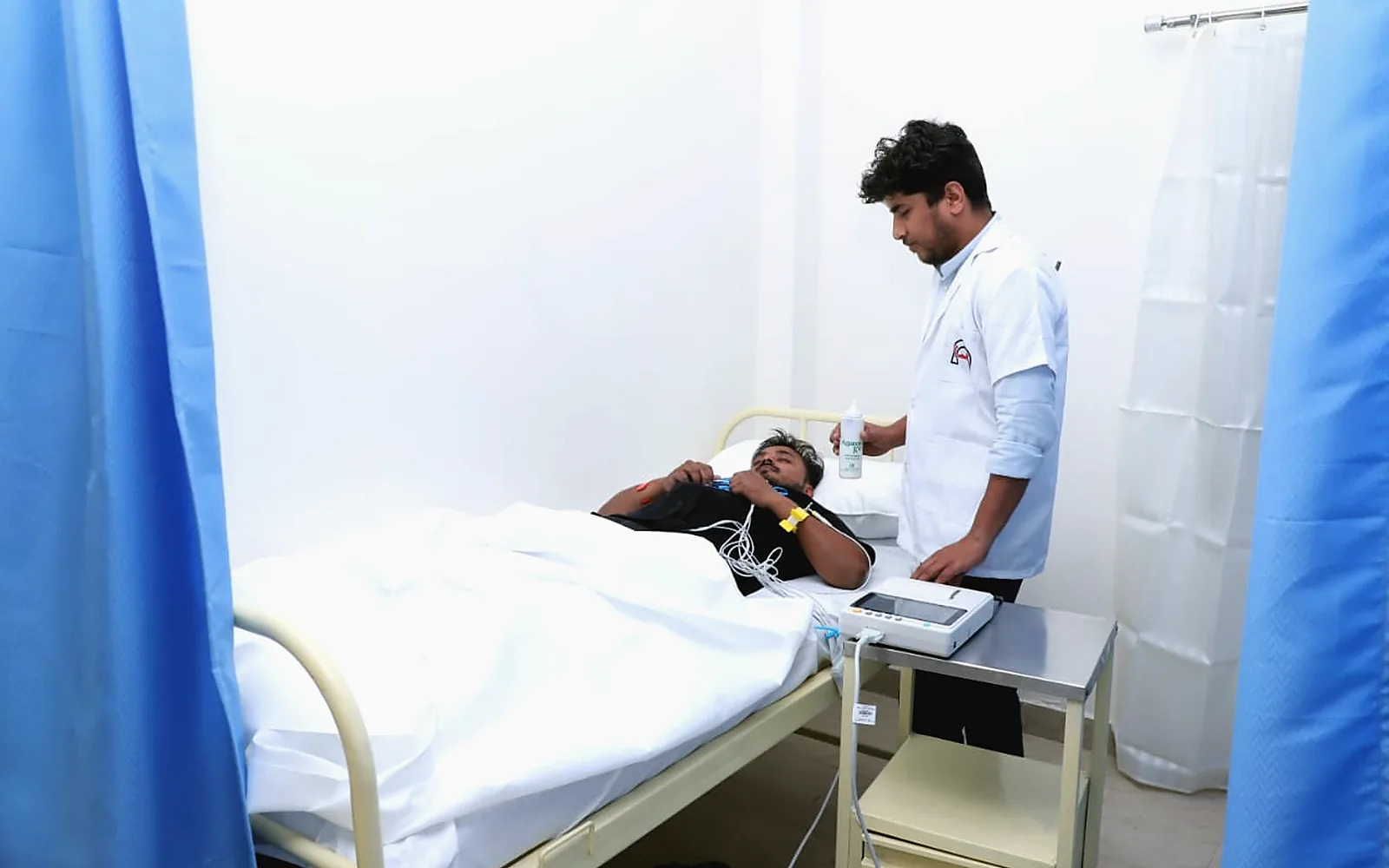
A closely supervised environment lowers withdrawal risk, restores routine and helps the family respond with steadiness.

Medical supervision where neededAvailable for medically supervised opioid withdrawal and monitoring.

Counselling for triggers and emotionsHelps address cravings and the stress or pain triggers behind use.

Family guidance and boundariesGuides relatives on supporting recovery without enabling.

Relapse prevention after dischargePlans for the repeated relapse risk common with opioid dependence.

FAQs

Questions about opioid addiction treatment

Yes. Opioid dependence can involve strong withdrawal and relapse risks.

Yes. Assessment and supervised care help manage risk more safely.

Yes. Counselling supports emotional triggers, routines and relapse prevention.

Yes. Families can discuss concerns confidentially.

It depends on opioid use history and health assessment.

Aftercare, accountability, family education and sober routines help protect progress.

Opioid recovery

Opioid dependence often starts somewhere unremarkable

Opioid dependence often begins with genuine pain — an injury, a surgery, a chronic condition — and only later becomes something the person cannot stop. That history matters, because if the underlying pain is never addressed, the pressure to return simply waits. Assessment therefore covers the original reason for use alongside current intake, and treatment plans for both. Cravings in opioid recovery can surface long after the physical phase is over, which is why counselling and structured follow-up continue well past the point where someone feels physically well again.

Private consultation

Take the first step toward recovery

Speak with Sambhav Rehab for confidential guidance and a recovery plan built around your family's opioid treatment needs.

Call WhatsApp Enquire