24/7 confidential admission support
Structured healing environment

Residential Rehabilitation

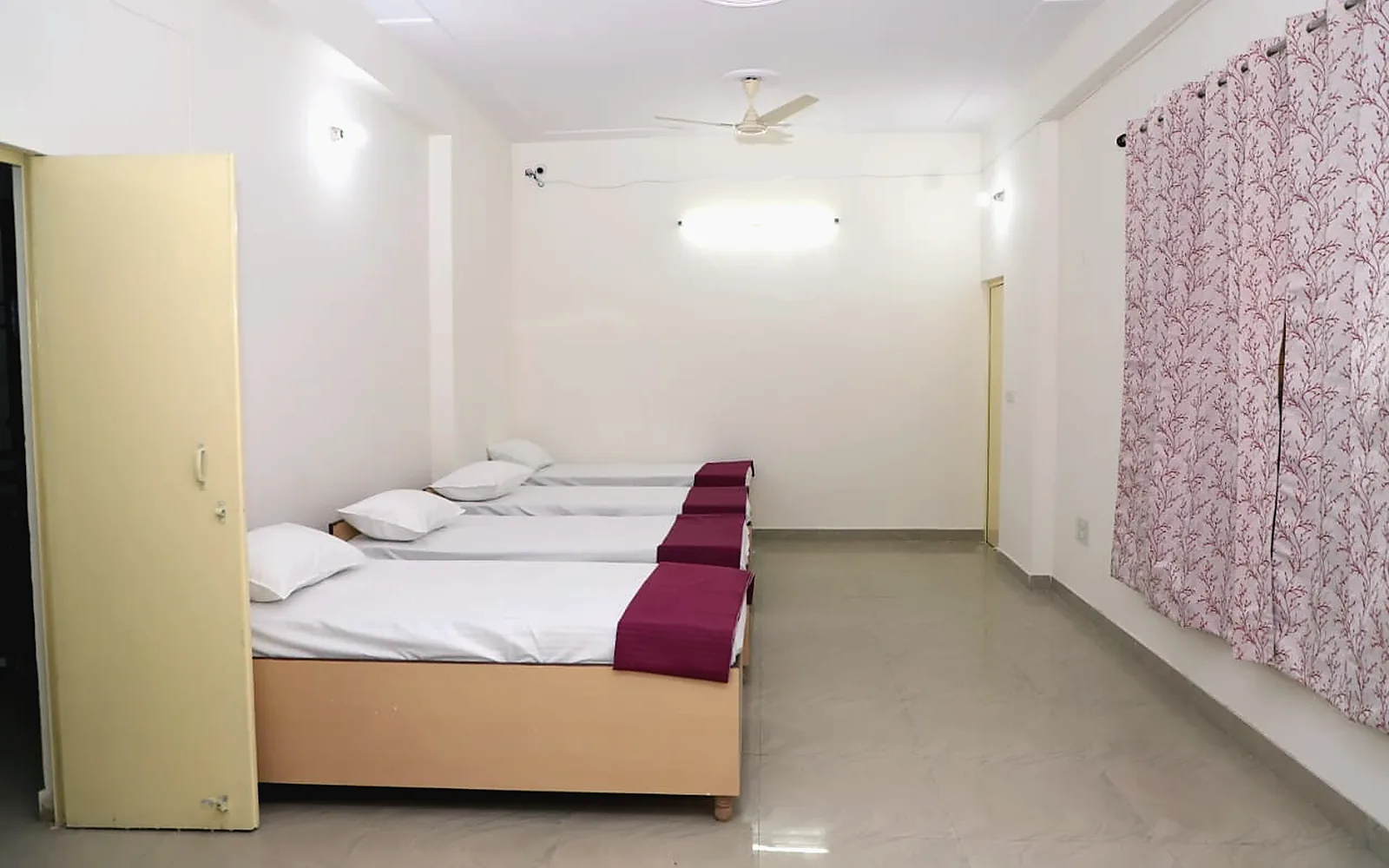
Residential rehabilitation gives patients a stable, supervised environment away from daily triggers, pressure and access to substances.

Overview

Understanding residential rehabilitation

When addiction has disrupted health, family trust, discipline and emotional control, a structured residential setting can create the space needed for deeper recovery work.

Professional support matters because addiction rarely affects only one part of life. Treatment looks at health, triggers, behaviour, family relationships and the support system needed after discharge.

Common warning signs

Repeated relapseWorth discussing with a counsellor when it affects safety, trust or daily stability.

Unsafe environmentWorth discussing with a counsellor when it affects safety, trust or daily stability.

Family distressWorth discussing with a counsellor when it affects safety, trust or daily stability.

Need for daily structureWorth discussing with a counsellor when it affects safety, trust or daily stability.

Treatment process

A clear plan helps recovery feel possible

The exact plan is personalised, but families usually move through these stages.

01

Admission guidance

Private guidance

02

Assessment

Understand risk

03

Daily recovery routine

Build stability

04

Therapy and wellness

Therapeutic work

05

Family meetings

Family participation

06

Discharge and aftercare

Continue progress

Why professional treatment

Recovery needs more than willpower

The right environment reduces risk, restores routine and helps the family respond with steadiness.

Medical supervision where neededPart of a complete recovery plan at Sambhav Rehab.

Counselling for triggers and emotionsPart of a complete recovery plan at Sambhav Rehab.

Family guidance and boundariesPart of a complete recovery plan at Sambhav Rehab.

Relapse prevention after dischargePart of a complete recovery plan at Sambhav Rehab.

FAQs

Questions about residential rehabilitation

It is useful when a person needs structure, supervision and distance from triggers.

Yes. Healthy routines are central to rebuilding discipline and stability.

Visits and meetings are planned in a way that supports treatment.

Yes. Counselling is part of the residential recovery process.

Aftercare and relapse prevention planning help the patient continue recovery.

Yes. Admissions and treatment details are handled with privacy.

Inpatient rehab provides residential structure and distance from triggers, while outpatient care supports people who can safely continue daily life with follow-up.

Residential care

Inpatient rehabilitation program and 90 day rehab planning

For some patients, a residential rehab centre creates the structure needed for recovery. Families can discuss inpatient vs outpatient rehab, inpatient rehabilitation program duration, inpatient treatment needs and whether a 90 day rehab program or shorter stay is appropriate.

Private consultation

Take the first step toward recovery

Speak with Sambhav Rehab for confidential guidance and a recovery plan that fits your family.

Call WhatsApp Enquire