24/7 confidential admission support
Doctor-Supervised Clinical Care | Delhi NCR

Medical Detox Program & Safe Withdrawal Centre

Detox is often the first clinical step when stopping alcohol or drugs may create withdrawal risks. It should be planned carefully and never treated casually.

Overview

Understanding detox program

Withdrawal can involve shaking, sweating, anxiety, nausea, sleep problems, agitation, cravings and health complications. Professional detox planning protects safety while preparing the person for counselling and rehabilitation.

Detox is rarely just a physical process. Care looks at health, withdrawal triggers, behaviour, family relationships and the support system needed once stabilisation is complete.

Common warning signs

Shaking or sweatingWorth discussing with a counsellor when shaking or sweating appear soon after stopping use.

Severe cravingsWorth discussing with a counsellor when cravings become intense during withdrawal.

Sleep disruptionWorth discussing with a counsellor when sleep stays disrupted for more than a few nights.

Anxiety or agitationWorth discussing with a counsellor when anxiety or agitation make withdrawal hard to manage safely.
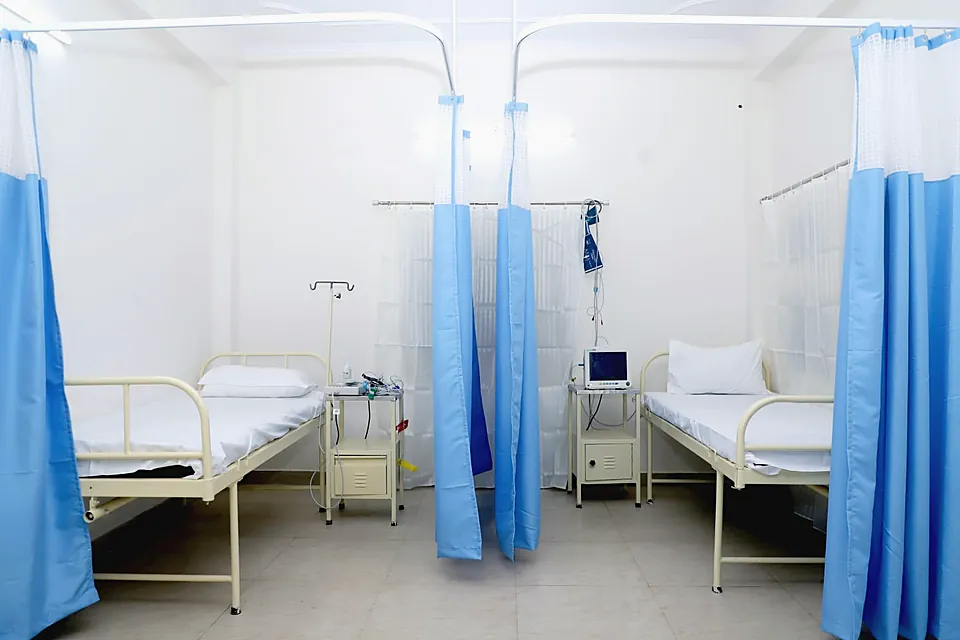

Treatment process

A clear plan helps recovery feel possible

The exact plan is personalised, but most families going through detox move through these stages.

01

Health screening

Private guidance

02

Withdrawal risk review

Understand risk

03

Medical supervision plan

Build stability

04

Stabilisation

Therapeutic work

05

Transition to therapy

Family participation

06

Recovery routine

Continue progress

Why professional treatment

Recovery needs more than willpower

A medically supervised environment lowers withdrawal risk, restores routine and helps the family respond with steadiness.

Medical supervision where neededAvailable around the clock during medically supervised detox.

Counselling for triggers and emotionsHelps prepare for the emotional work that follows physical stabilisation.

Family guidance and boundariesGuides relatives on what to expect during the detox period.

Relapse prevention after dischargePlans for the risk of relapse once withdrawal symptoms ease.

FAQs

Questions about detox program

Detox is the process of helping the body stabilise after stopping alcohol or drugs.

No. Detox supports physical stabilisation, while rehabilitation addresses behaviour, emotions and long-term recovery.

Yes, depending on the substance and use history. That is why professional guidance matters.

No. Detox is recommended only when assessment shows it is needed.

Patients continue counselling, routine building, family guidance and relapse prevention.

Yes. Families can call for confidential guidance before making a decision.

A 28 day plan may help stabilise withdrawal and begin therapy, but many patients need continued rehabilitation and aftercare.

Detox planning

What the detox days actually involve

Most of a detox stay is quiet, repetitive work: vital signs checked at intervals, sleep and appetite tracked, fluids and food kept up, and discomfort managed as it rises and falls. Withdrawal typically builds over the first days and then eases, though the timing differs by substance and by how long the person has been using, so a detoxification centre plans day by day rather than to a fixed calendar. Appetite and sleep are often the last things to settle, and both usually improve after the acute phase rather than during it. The clearer thinking that follows is what makes counselling worth starting afterwards.

Private consultation

Take the first step toward recovery

Speak with Sambhav Rehab for confidential guidance and a detox plan built around your family's withdrawal support needs.

Clinical Science & Facts

Nasha Chhudane Ki Dawa: Medically Approved Treatment vs Unregulated Powders

Every month, thousands of families search for "nasha chhudane ki dawa" hoping for a quick cure. At Sambhav Rehab, our clinical team explains the real science behind de-addiction medications, why secret powders are dangerous, and how medical detox safely saves lives.

Approved Medical Detox Medications

Under strict psychiatric and medical supervision, government-approved (DCGI & WHO) medications are safely administered:

  • Naltrexone (Craving Blocker): Blocks opioid and alcohol euphoria receptors in the brain, significantly reducing the urge to drink.
  • Acamprosate: Normalises brain neurochemistry altered by chronic alcohol dependency to prevent relapse.
  • Benzodiazepines (Chlordiazepoxide/Diazepam): Prevents life-threatening alcohol withdrawal seizures and Delirium Tremens (DT) during the critical first 72 hours.
  • Disulfiram (Deterrent): Given strictly with patient knowledge and consent to build psychological deterrence.

The Fatal Dangers of Secret Over-the-Counter Drops

Mixing unprescribed drops or powders secretly in tea or food without the person's knowledge is extremely hazardous:

  • Acute Liver & Heart Toxicity: Severe chemical reactions between alcohol and unregulated deterrents can cause toxic shock or cardiac arrest.
  • Relapse Without Therapy: Medicine alone cannot fix psychological triggers, emotional trauma, or peer pressure.
  • Need for 24/7 Observation: Safe medical detox requires regular checking of vitals, liver function, hydration, and nutritional therapy.
Call WhatsApp Enquire